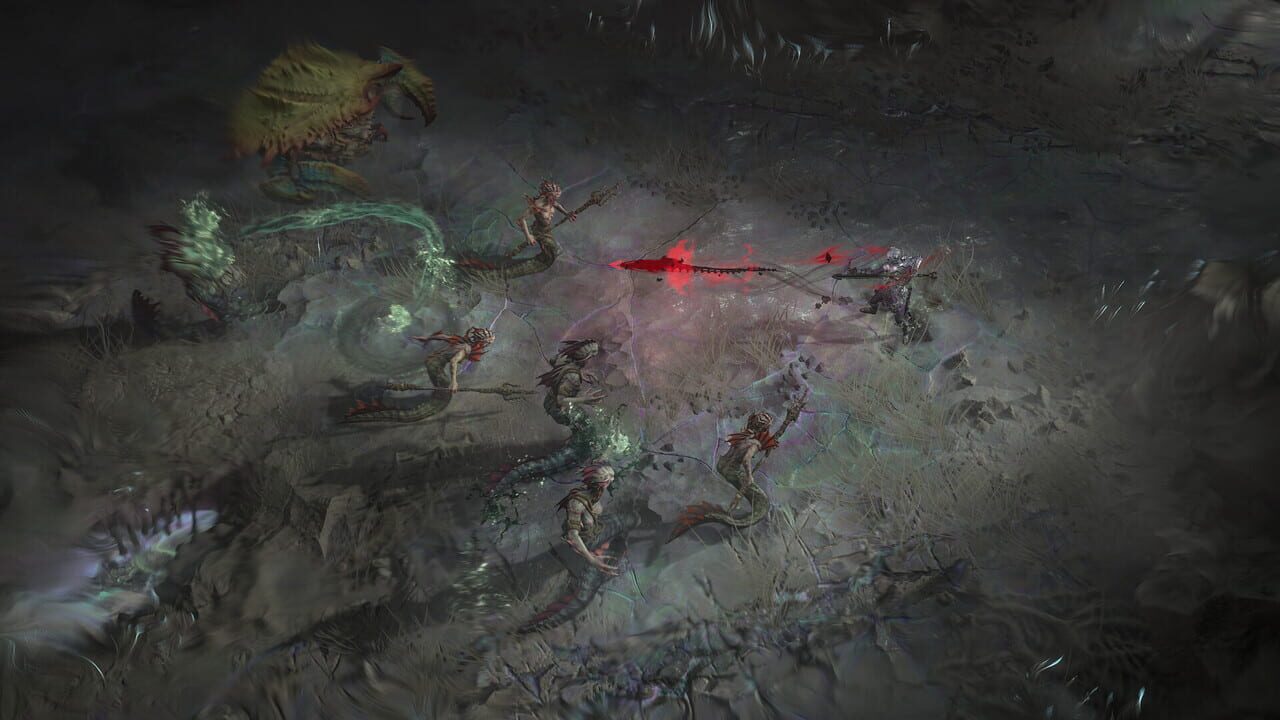
Apex Legends: Marked (Season 30) adds map work, loot changes, and a large content download. On PC that sometimes causes hitching mid-fight, sudden FPS spikes, flickering shadows, and brief visual glitches while shaders and textures recompile. Those issues may come from corrupted update files, stale drivers or shader caches, overlay conflicts, or shadow and streaming settings that push the GPU harder than your hardware can sustain. Work through the steps below in order.
Verify game files
Season launches can sometimes leave incomplete or corrupted local files. Visual glitches (wrong lighting, flickering geometry, missing textures) and random stutter after an update may clear once the launcher replaces only the damaged files.
→ How to verify game file integrity on Steam, Epic, GOG and Xbox
If you play through the EA App, open your library, open Apex Legends' manage menu, and run Repair. Then relaunch before testing other fixes.
Update your GPU drivers
Apex can be sensitive to driver quality after large season patches. Outdated drivers may cause stutter, black flashes, and corrupted frames. Install the latest game-ready package for your NVIDIA, AMD, or Intel card before changing in-game settings.
→ How to update your GPU drivers (NVIDIA, AMD, Intel)
Prefer a clean install when the vendor installer offers it. Leftover driver files from a previous version may keep Season 30 stuttering even after you "update."
Clear the shader cache
Season 30 may invalidate a large set of compiled shaders. A stale or corrupted cache can cause hitching and visual artifacts until it rebuilds cleanly. Clear it, restart the PC, then play a casual match first. The opening minutes may hitch while shaders recompile; that is expected.
→ How to clear or disable the NVIDIA shader cache
Disable overlays and background apps
Overlays inject into the same DirectX process Apex uses. Steam Overlay, Discord Overlay, NVIDIA / AMD in-game overlays, and Xbox Game Bar may sometimes cause frame spikes and brief visual glitches. Disable them for testing, then re-enable one at a time if you need a specific feature.
Before a ranked session, open Task Manager (Ctrl + Shift + Esc) and close browsers, cloud sync, and capture software you are not using. Apex already streams map assets heavily during fights; background CPU and disk load may show up as hitching.
Cap frame rate and ease resolution scaling
A stable frame rate usually feels smoother than a higher but uneven one. When FPS is uncapped, it may spike in quiet moments and drop hard in fights, which can show up as hitching even if your average FPS looks fine. Cap FPS at a value your PC can hold consistently in endgame circles using Apex's adaptive frame options, your GPU control panel, or a frame limiter.
Also check Adaptive Resolution / scaling:
- Prefer native resolution when your GPU already holds a stable frame time
- If Adaptive Resolution is on, keep the target realistic; aggressive downscaling mid-fight may feel like hitching even when the FPS counter looks higher
- Aim for a fixed, sustainable FPS rather than brief peaks you cannot maintain under load
Advertisement
Lower shadow and graphics settings
Shadows are among the most expensive settings in Apex. Open Settings → Video and lower these first when you see stutter or shadow-related visual glitches:
- Spot Shadow Detail: set to Disabled or Low
- Sun Shadow Coverage: set to Low
- Sun Shadow Detail: set to Low
- Volumetric Lighting and Ambient Occlusion Effect: disable while troubleshooting
- Texture Streaming Budget: set one tier below what your VRAM suggests (for example a 4 GB budget on an 8 GB card)
Texture Streaming Budget that sits at the edge of your free VRAM may force mid-fight texture swaps. That hitch can feel identical to "random" stutter even when your average FPS is high.
Apply the changes, restart Apex once, then test in the Firing Range and a casual match before jumping into ranked.
Extra checks that may help
If stutter or glitches remain after the steps above:
- Run Apex in Fullscreen rather than Borderless Windowed while testing
- Add the Apex install folder to antivirus exclusions, then verify or repair files again so anything quarantined is restored → How to add a game to antivirus exclusions
- Enable Windows Game Mode so background UWP apps are less likely to interrupt matches → How to enable Game Mode in Windows
- After a driver change, clear the shader cache again so Apex does not reuse shaders built for the old driver
Still stuttering or glitching?
If you have worked through every step and Season 30 is still unstable, the issue may be specific to your hardware or a bug in the current Apex build. Check the official Apex Legends website and its community discussion forums for patch notes and workarounds that match your symptoms.
You can also visit the Apex Legends page on BugFreeGG for community-submitted fixes or to report what worked for you.